
Yesterday, I had the pleasure of visiting the Mississippi Governor’s Mansion
with the Pastel Society of Mississippi, and what a special experience it was.
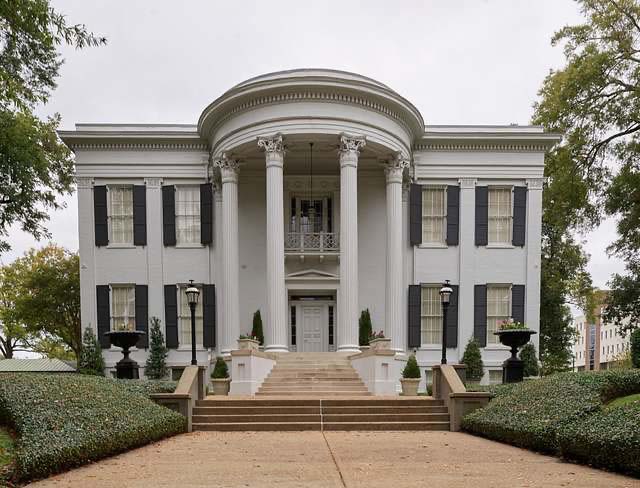
The tour began in the garden, as we waited for everyone to arrive.
Standing there together, Mackie Jernigan started sharing the history
of the grounds, drawing us in before we ever stepped inside.
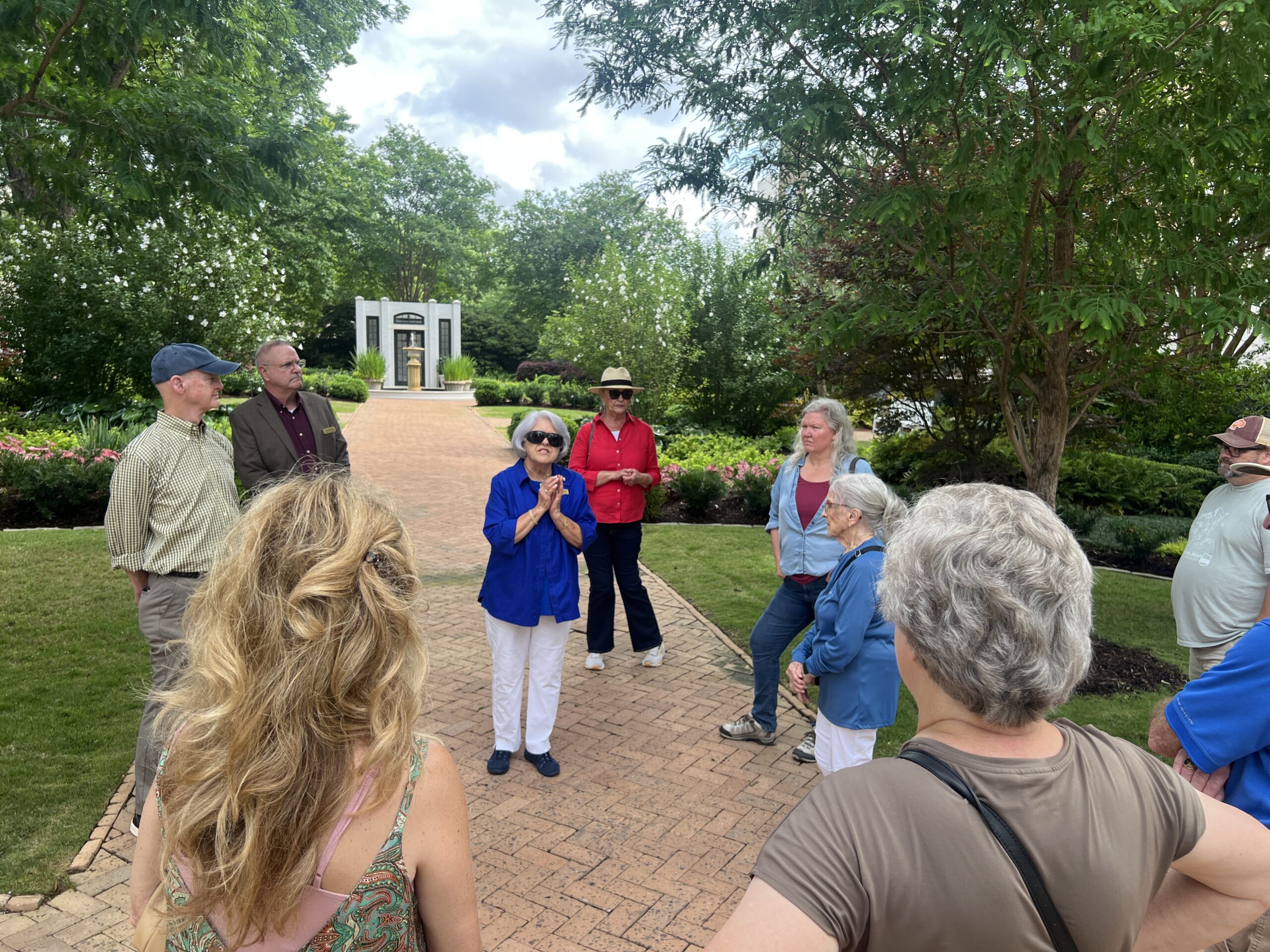
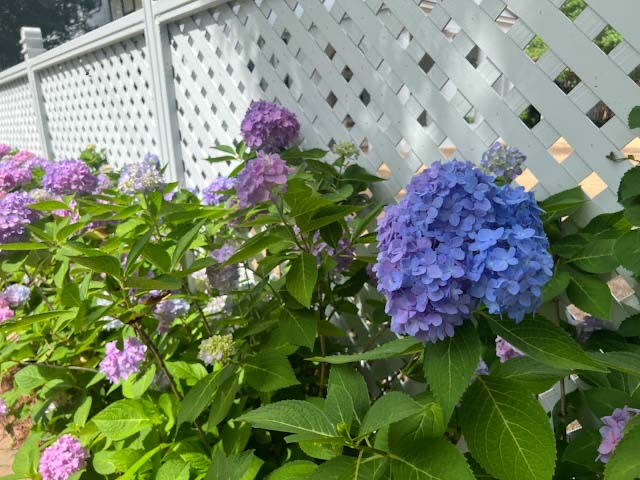
The garden is absolutely gorgeous—carefully designed, yet still full of life
and softness. Brick pathways wind through beds of lush greenery and blooming color,
all centered around a graceful fountain that seems to invite you to slow down
and take it all in. Tucked just beyond it is the most charming little structure,
called a limonaia, where lemon trees are kept during the winter months.
It caught my eye immediately—both elegant and practical, with just a touch of old-world charm.
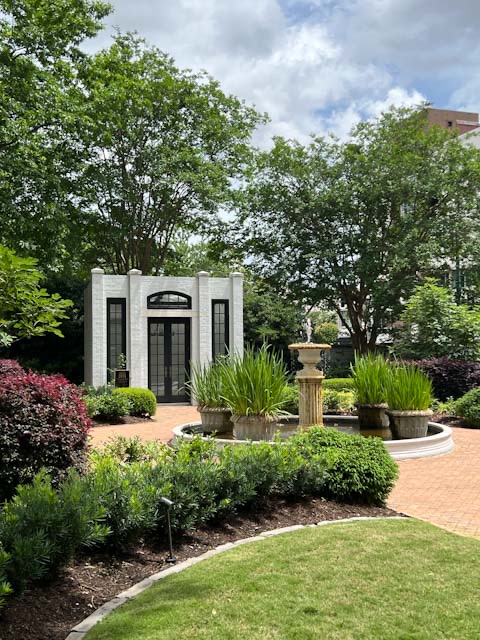
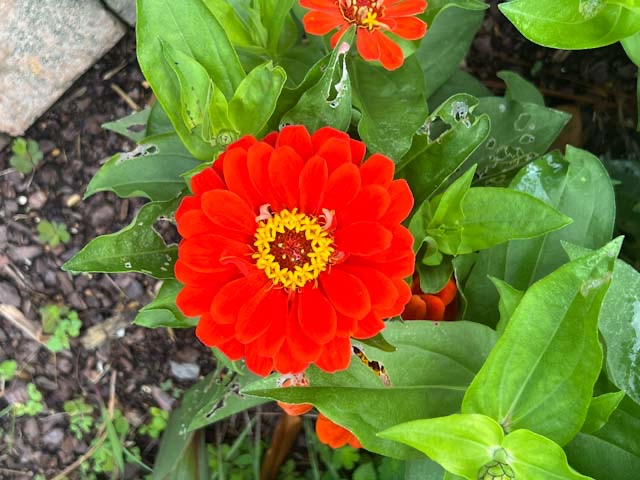
There were moments in the garden where the color just stopped me—these brilliant red blooms rising up through all that green. It felt like a reminder of why we paint in the first place… to notice, to slow down, and to try to hold onto something beautiful, even if just for a little while.
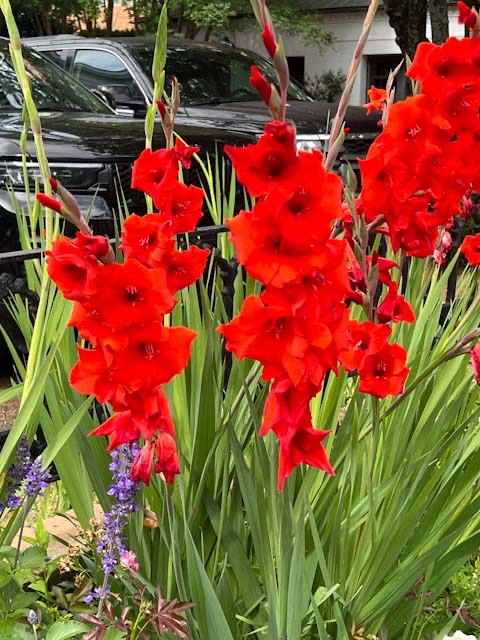
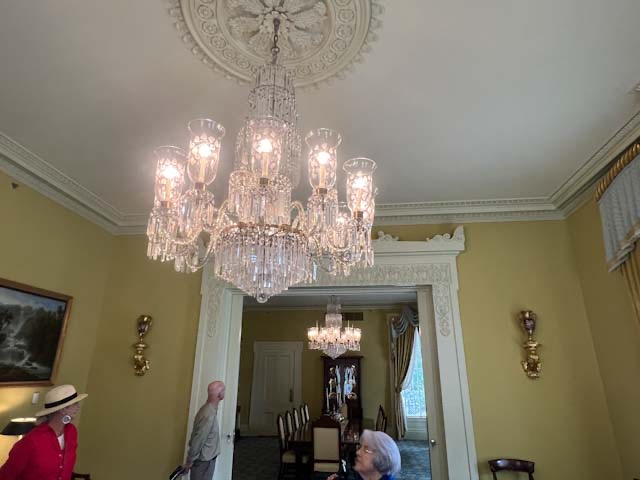
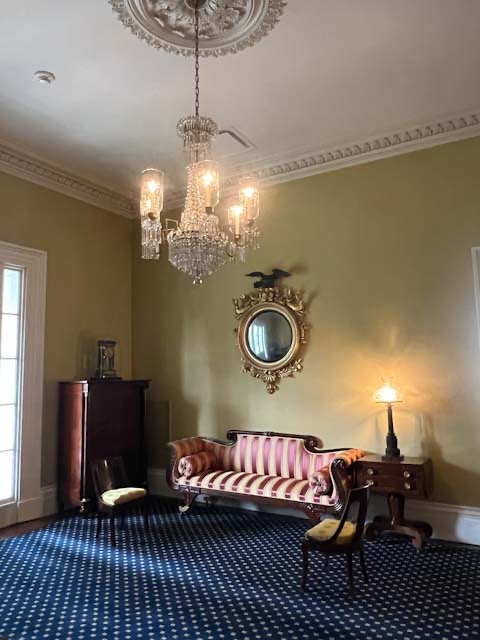
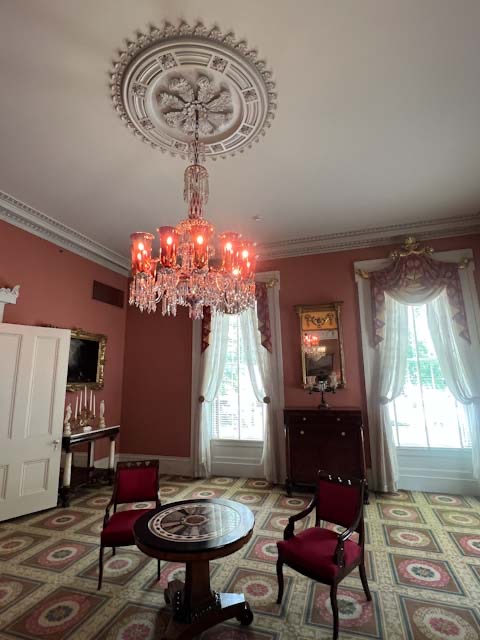
After everyone arrived, we stepped inside and Mackie began unfolding the history of the mansion. It’s one of the oldest governor’s mansions in the country—second built, if I remember right—and you can feel that history in the walls. With its Greek Revival design and thoughtful restorations over the years, it carries both elegance and endurance. One story that stayed with me was learning that General Sherman didn’t burn the mansion during the Civil War. Instead, he sat down to dinner there, marking the fall of Vicksburg. Imagine the weight of that moment in those very rooms.
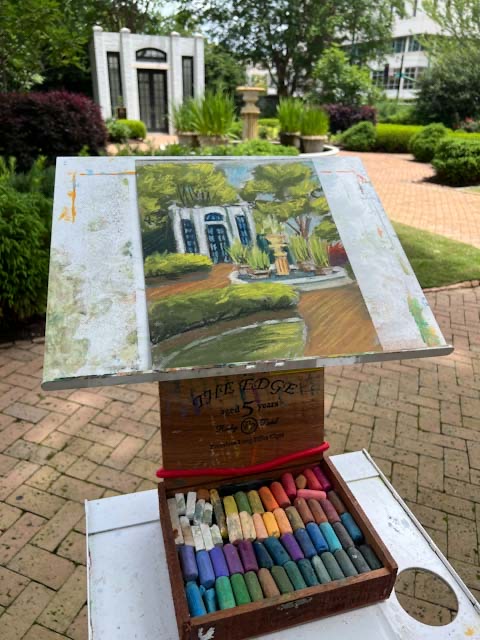
After the tour, we made our way back out into the garden to paint. Several others set up nearby, also choosing the limonaia, which made it fun to see how each person approached it. When it came time to choose my subject, I didn’t have to think too long. I kept coming back to the limonaia. Sitting just beyond the fountain, it felt like a quiet anchor in the garden—steady, beautiful, and full of story. It seemed like the kind of subject you discover slowly, the longer you sit with it.
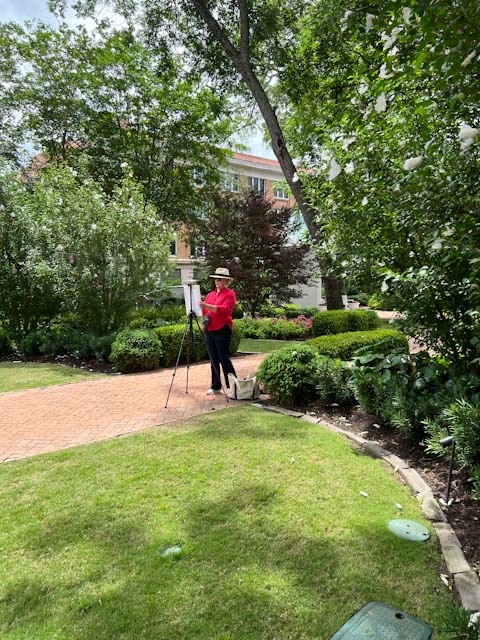
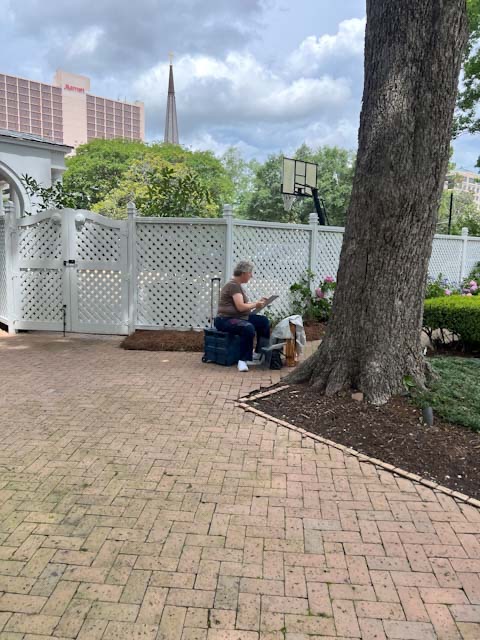
I began with a value study, wanting to map out the composition and get a feel for
the light before introducing color. The limonaia, framed by the surrounding trees
and garden path, gave me a strong structure to work from. I’ve learned over time
how important it is to slow down at this stage—to really see the shapes, the shadows,
and how everything fits together before getting caught up in color.
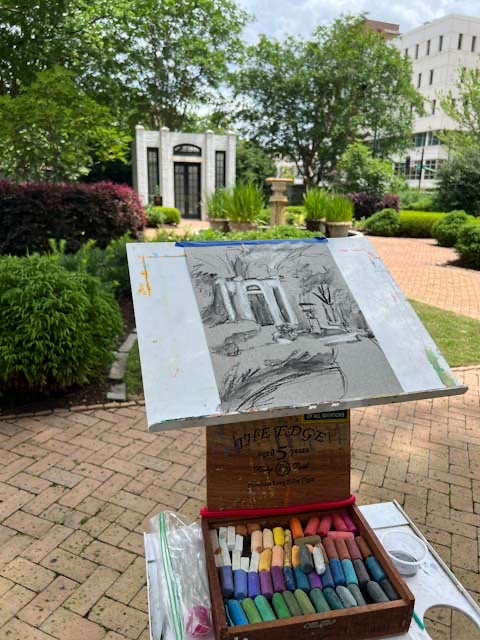
As I worked, the Mississippi humidity started to settle in. The air grew thick and heavy,
and before long I could feel it—painting with one hand while wiping away sweat with
the other. Still, there was something grounding about staying with the piece,
letting the moment unfold on the paper as I added color.
I only painted for about an hour, so this isn’t a finished piece—and it’s not meant to be.
It’s a moment in time, an impression of the space and how it felt to be there.
That’s really what plein air painting is all about: capturing the experience as much as the scene itself.
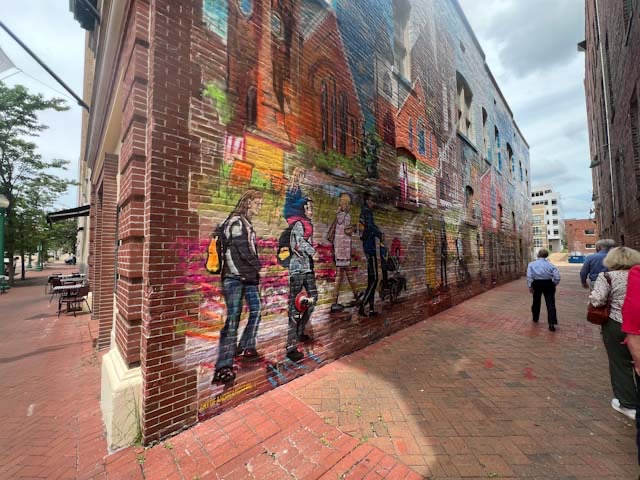
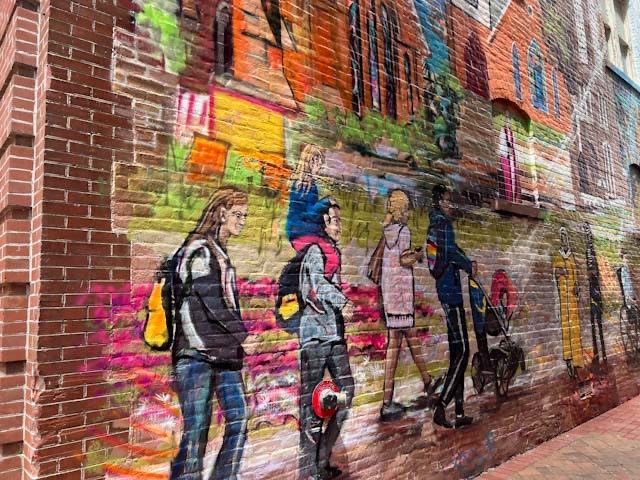
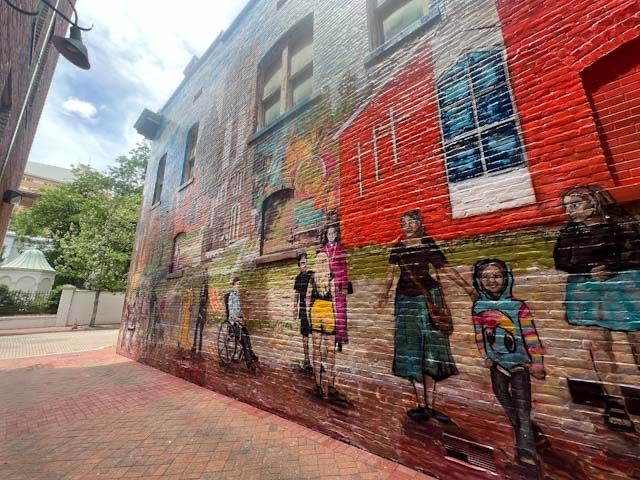
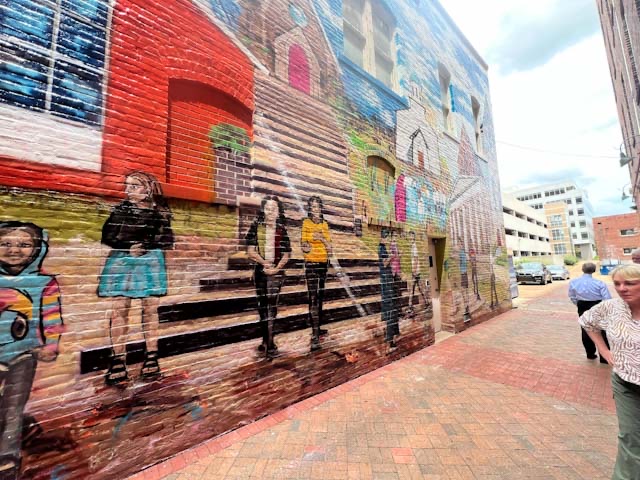
Afterward, several of us walked across the street to Keifer’s, a beloved Jackson restaurant that’s been around for years, and shared lunch together. On the way, I discovered a new mural tucked into the alley nearby, painted by Andrea Koystal. It felt like the perfect ending to a day centered around art.
Moments like this remind me how much is happening in cities all across America—downtown areas being revived through murals and creative expression. It’s the arts that bring communities together. Art and culture hold the key to our history, our stories, and our shared memories.
In closing, I hope you’ve enjoyed walking through this day with me and getting a glimpse into my world as an artist—how I observe, interpret, and experience these moments.
I’d love to know… what was your favorite part of the day I shared?